Coal stockyards are one of the most challenging environments for dust control. Continuous material handling, truck traffic, and open-air storage make coal dust almost impossible to avoid. In many regions, especially in Central and South Asia, uncontrolled dust not only affects worker health but also leads to environmental penalties and operational disruptions.
For site managers, the question is no longer whether dust should be controlled, but how to control it effectively and sustainably.
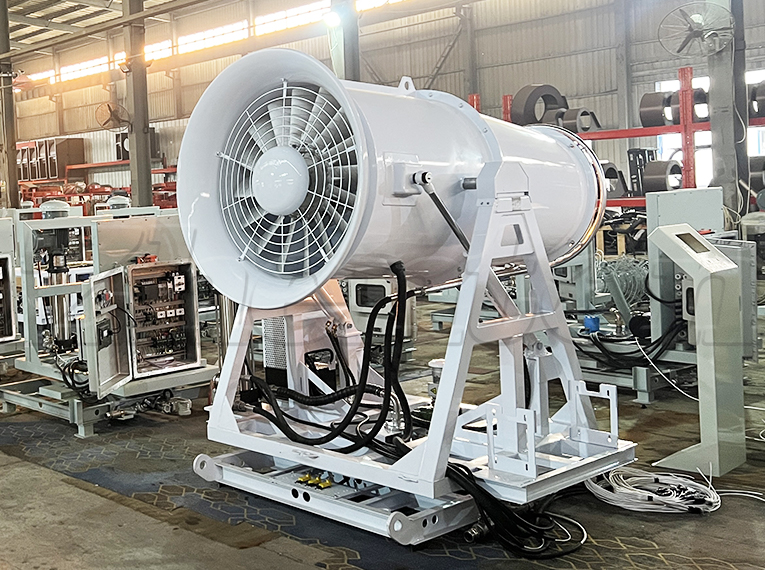
Coal Yard Dust: The Real Problems on Site
In real operating conditions, coal yard dust comes from several sources:
Coal unloading and stacking
Conveyor transfer points
Vehicle movement on internal roads
Wind erosion on open stockpiles
These dust emissions reduce visibility, accelerate equipment wear, and increase respiratory risks for workers. In many countries, environmental authorities are also tightening dust emission standards, making dust control a compliance issue rather than an option.
Why Traditional Dust Control Methods Often Fail?
Many coal yards still rely on basic water spraying or manual hose systems. While these methods seem simple, they often cause new problems:
Uneven coverage leaves large dust zones untreated
Excessive water leads to coal quality loss
High labor dependency increases operating costs
As a result, dust returns quickly once spraying stops, especially during dry or windy conditions.
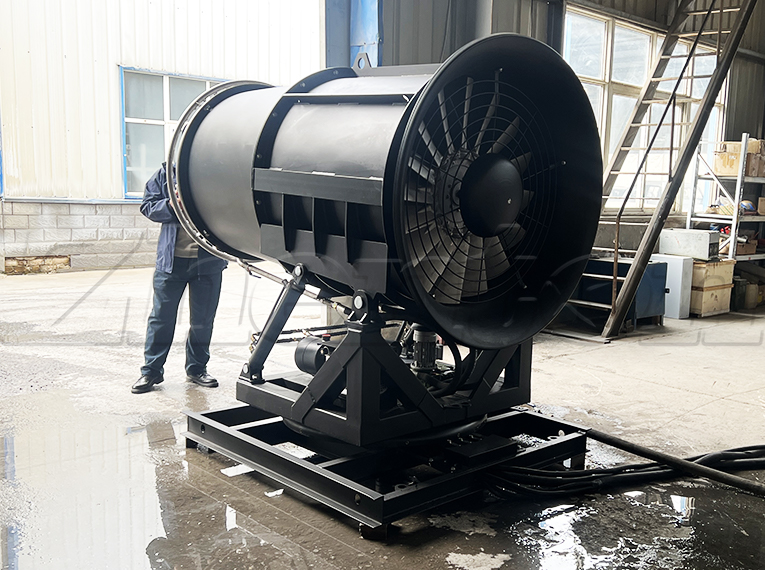
A More Effective Approach: Integrated Dust Suppression Systems
Modern dust suppression systems focus on fine mist coverage rather than heavy water flow. By atomizing water into micron-level droplets, these systems capture airborne dust particles and bring them safely to the ground.
Compared with traditional spraying, a well-designed dust suppression system offers:
Wider coverage area
Lower water consumption
Continuous and automated operation
This approach is especially suitable for large coal yards where dust sources are spread across multiple zones.
How Mist Fog Cannon Systems Work in Coal Yards?
Mist fog cannon systems use high-efficiency fans to project ultra-fine mist over long distances. The mist remains suspended in the air long enough to bind with dust particles, preventing them from dispersing.
In coal yard applications, these systems are typically installed near:
Stockpile edges
Unloading points
Internal road intersections
By adjusting spray angle and rotation range, a single unit can cover a large operational area.
On-Site Case Example (Parameters Adjustable)
At an open coal stockyard project in Central Asia, a dust suppression system was installed to address frequent dust complaints from nearby residential areas.
The system included
Mist fog cannons with a spray range of 100 meters
Fan motor power of 55 kW
Spray capacity of xx tons per hour
Automatic rotation covering 0-340°
After installation, visible dust levels were significantly reduced, even during peak loading hours. The site achieved stable dust control without increasing water usage, helping the operator meet environmental requirements while maintaining productivity.
Frequently Asked Questions
Q1: Is mist-based dust suppression effective in windy conditions?
Yes. Properly designed systems use optimized droplet size and adjustable spray angles, allowing effective dust capture even under moderate wind conditions.
Q2: Will excessive moisture affect coal quality?
No. Unlike traditional spraying, fine mist systems use minimal water and focus on airborne dust rather than soaking the material.
Q3: How many units are needed for a coal yard?
This depends on yard size, layout, wind direction, and dust intensity. A site assessment is recommended to design the most efficient system configuration.
How to Choose the Right Dust Suppression System for Your Site?
When selecting a system, consider:
Dust source locations
Required coverage distance
Local environmental regulations
Automation and maintenance needs
A customized solution always performs better than a one-size-fits-all approach.
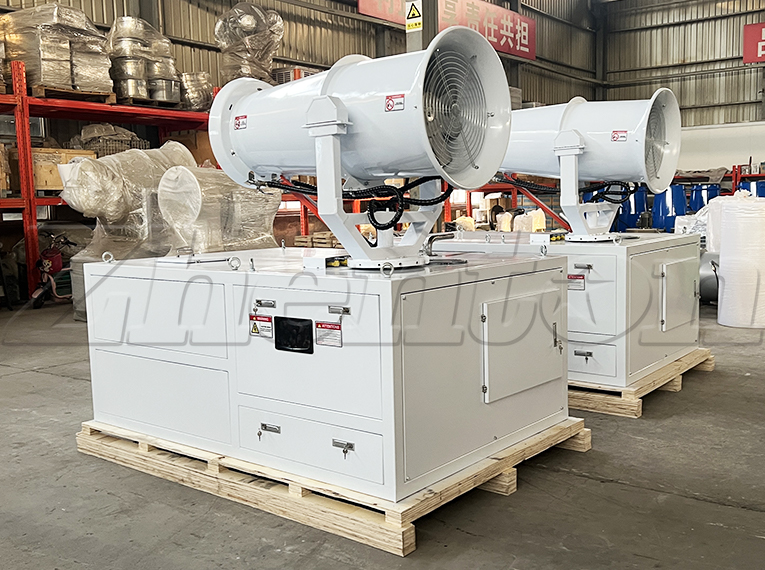
If you are looking for a reliable dust suppression system for your coal yard or industrial site, our engineering team can help design a solution tailored to your operating conditions.
Contact us today to discuss your project requirements.