Indonesia has become a global leader in nickel production, supplying critical raw materials for stainless steel and electric vehicle batteries. As demand continues to grow, mining activities are expanding rapidly—especially in open-pit operations. However, one persistent and costly issue remains: dust pollution.
Dust control in nickel mining is not just an environmental concern—it directly affects worker safety, operational efficiency, and regulatory compliance.
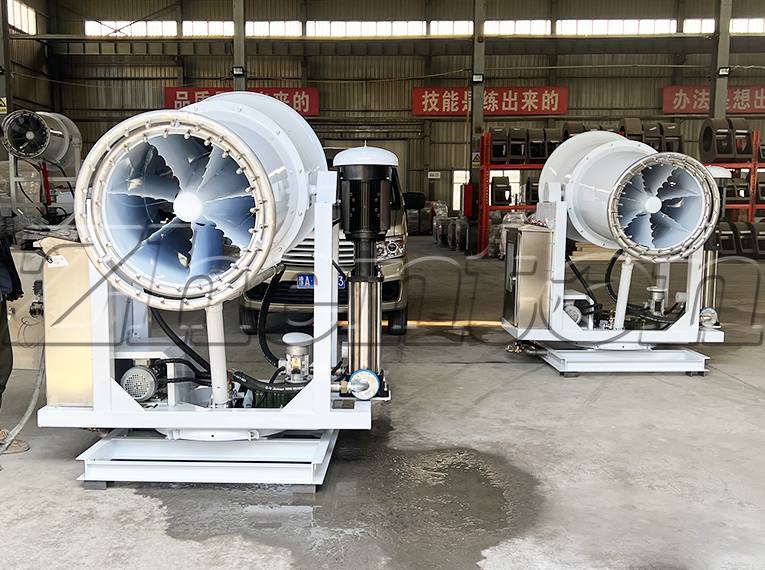
What Causes Severe Dust Problems in Nickel Mining?
Dust in nickel mining operations is generated at almost every stage of production:
Drilling and blasting
Crushing and screening
Loading and unloading
Haul road transportation
In open pit mining, these processes release fine particles into the air, creating continuous airborne dust.
Why Is Dust More Difficult to Control in Indonesia?
Indonesia presents unique environmental challenges that make dust suppression more complex:
Tropical Climate: Alternating dry and wet seasons increase dust volatility
High Humidity: Moist air can sometimes reduce dust, but also leads to uneven suppression
Wind Conditions: Coastal and elevated mining areas experience strong winds, spreading dust over large distances
These factors make traditional dust control methods less effective.
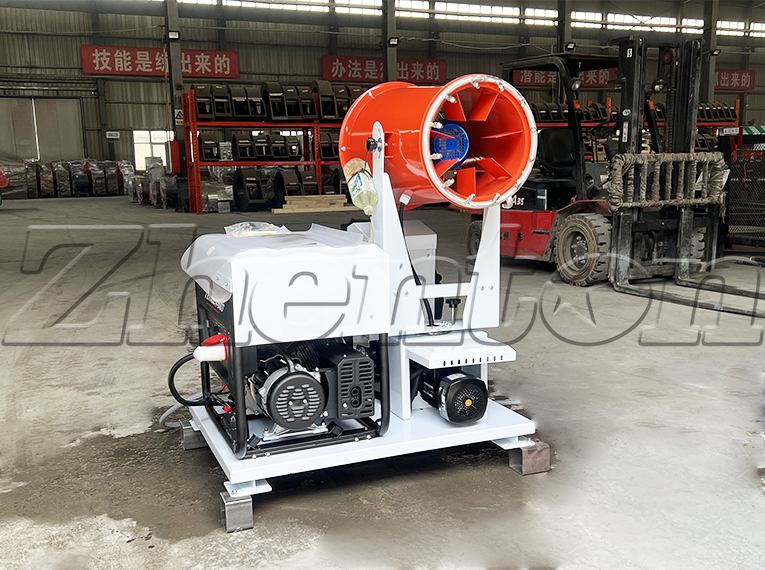
How Does Dust Affect Mining Operations?
Dust pollution has serious consequences beyond visibility issues:
Health risks for workers (respiratory problems)
Reduced equipment lifespan due to particle accumulation
Lower productivity from poor visibility
Environmental complaints from nearby communities
Q&A:
Is Dust Control Really That Important in Mining?
Answer:
Absolutely. Without effective dust control, mining companies may face operational shutdowns, legal penalties, and increased health-related costs. Dust management is now a key part of sustainable mining practices.
Are Traditional Dust Control Methods Enough?
Answer:
In many cases, no. Conventional methods like manual watering or basic sprinklers often fail to capture fine airborne particles. They may temporarily reduce surface dust but do not address the root problem—suspended dust in the air.
The Growing Need for Advanced Dust Control Solutions
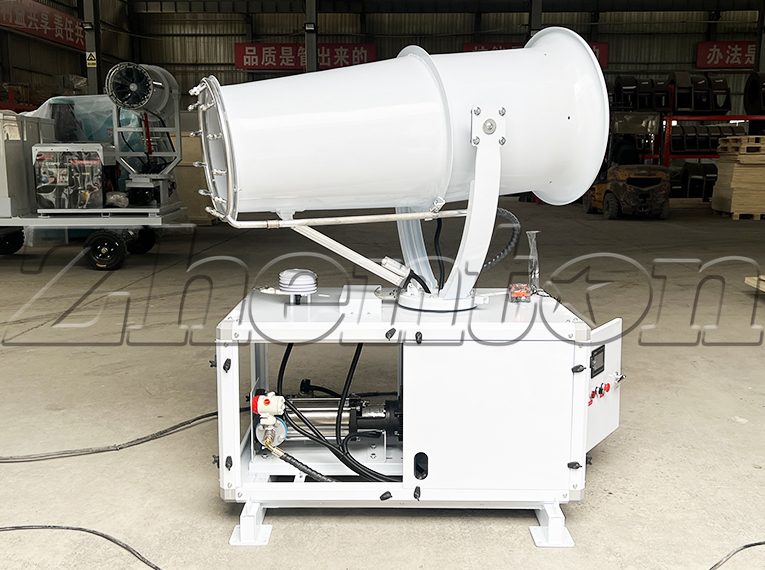
As environmental regulations become stricter and mining operations scale up, companies are actively searching for more efficient solutions. Advanced technologies such as fog cannon systems are gaining attention for their ability to target airborne dust more effectively.
In the next article, we will explore:
What is a fog cannon and how it solves nickel mining dust problems?
Next
No Data!